
 Share
Share
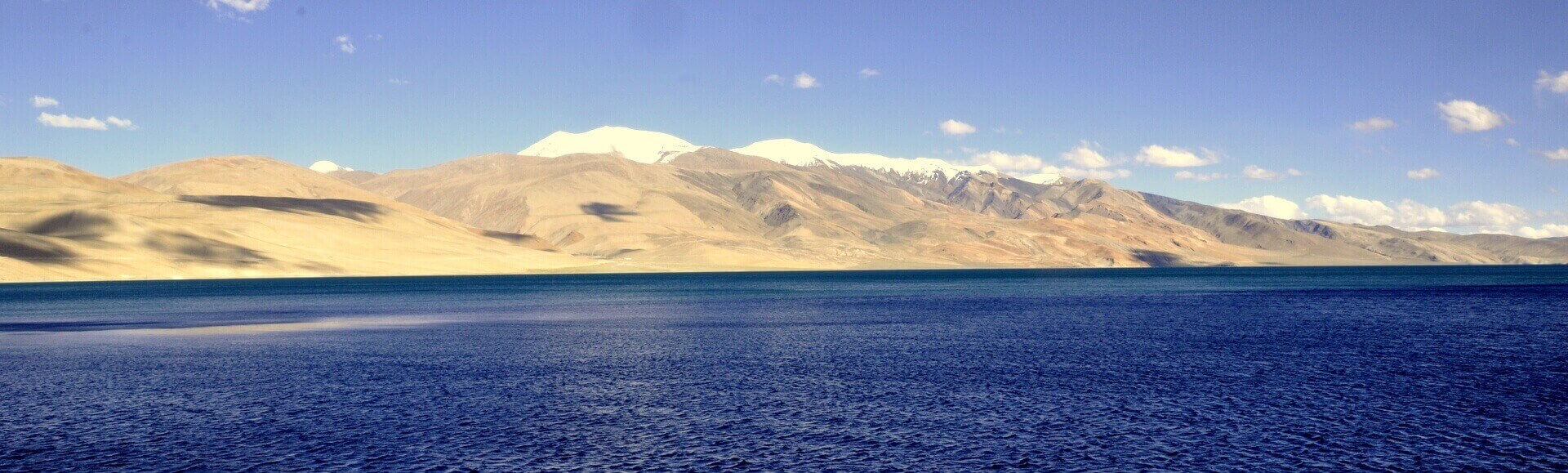
Ladakh is a spectacular high-altitude desert nestled in the heart of the Himalayas, on the western edge of the Tibetan Plateau. Carved by the mighty Indus River, its dramatic landscapes combine rugged mountains, remote villages, and endless open skies.
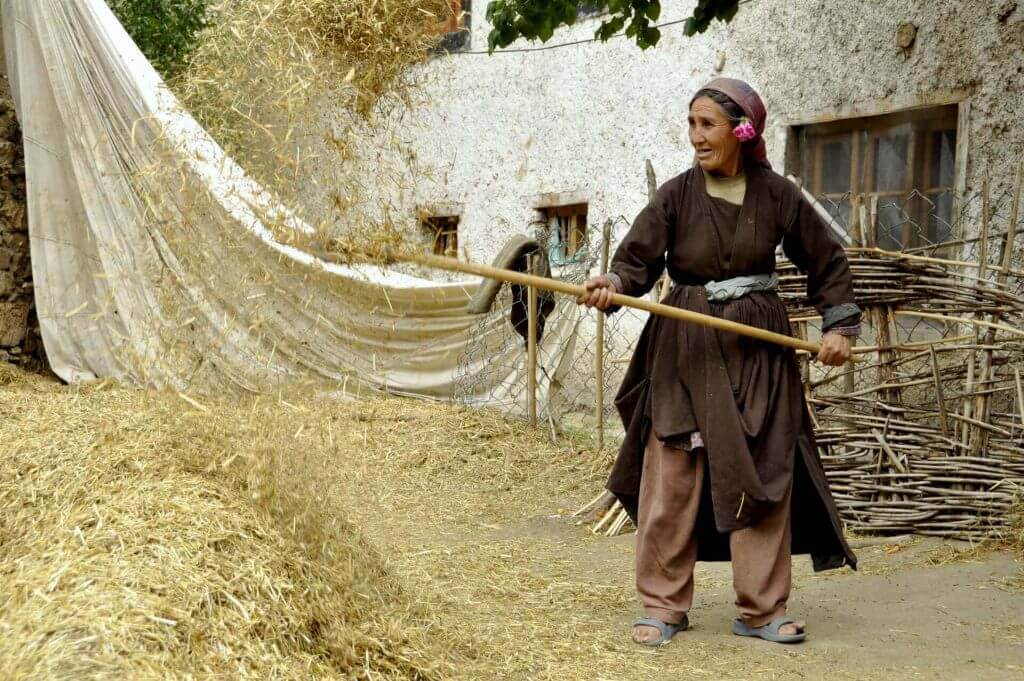
Life in Ladakh is shaped by the seasons. During the short summer, locals cultivate their fields and prepare for the long winter, when snow closes the mountain passes and many villages become isolated.
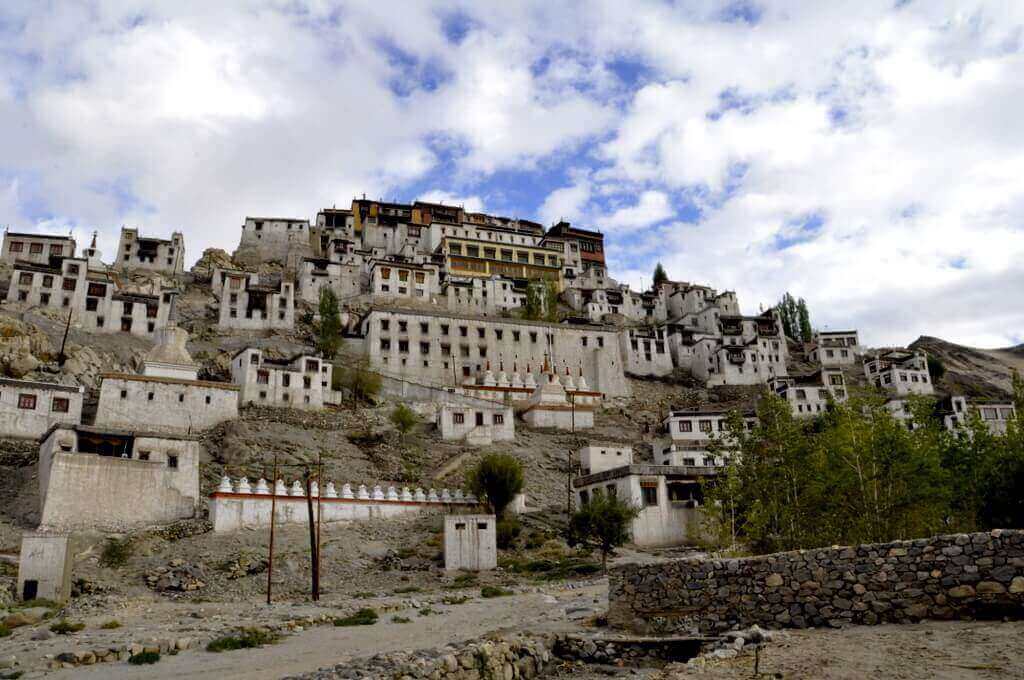
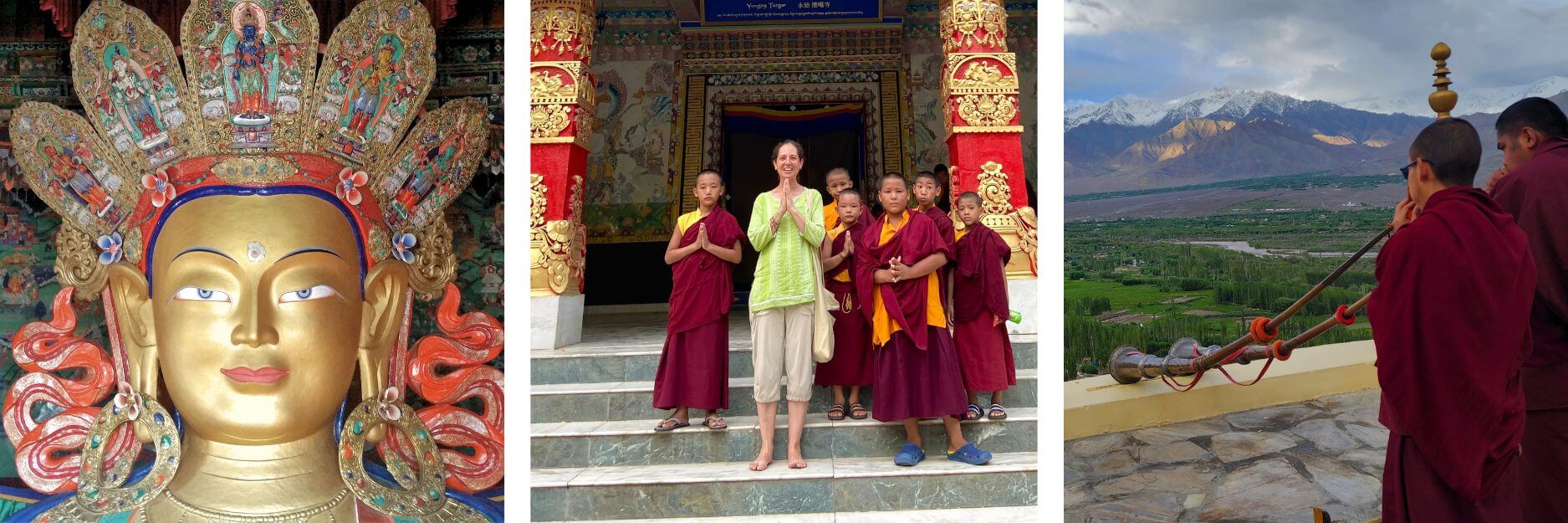
Deeply influenced by Tibetan Buddhism, Ladakh is home to ancient monasteries, vibrant traditions, and a warm, welcoming culture. Its unique blend of breathtaking scenery and rich Himalayan heritage makes it one of India’s most remarkable destinations.
Leh
Leh, the capital of Ladakh, sits at an altitude of 3,500 meters and serves as the region’s political, cultural, and commercial center. Nestled beneath the Ladakh Range and overlooking the Indus Valley, Leh is a vibrant Himalayan town surrounded by dramatic mountain scenery.
One of the town’s highlights is the Shanti Stupa, which offers spectacular panoramic views of Leh and the surrounding valleys, especially at sunset.
Dominating the skyline is the historic Leh Palace, a 17th-century royal palace built by King Sengge Namgyal. Resembling a miniature Potala Palace, it stands as a reminder of Ladakh’s royal past.
The popular neighborhood of Changspa is the heart of the tourist area, offering a wide selection of guesthouses, hotels, cafés, restaurants, souvenir shops, and trekking outfitters. Combining traditional Himalayan charm with modern traveler comforts, Leh is the perfect gateway to exploring Ladakh.
Landscape & Nature
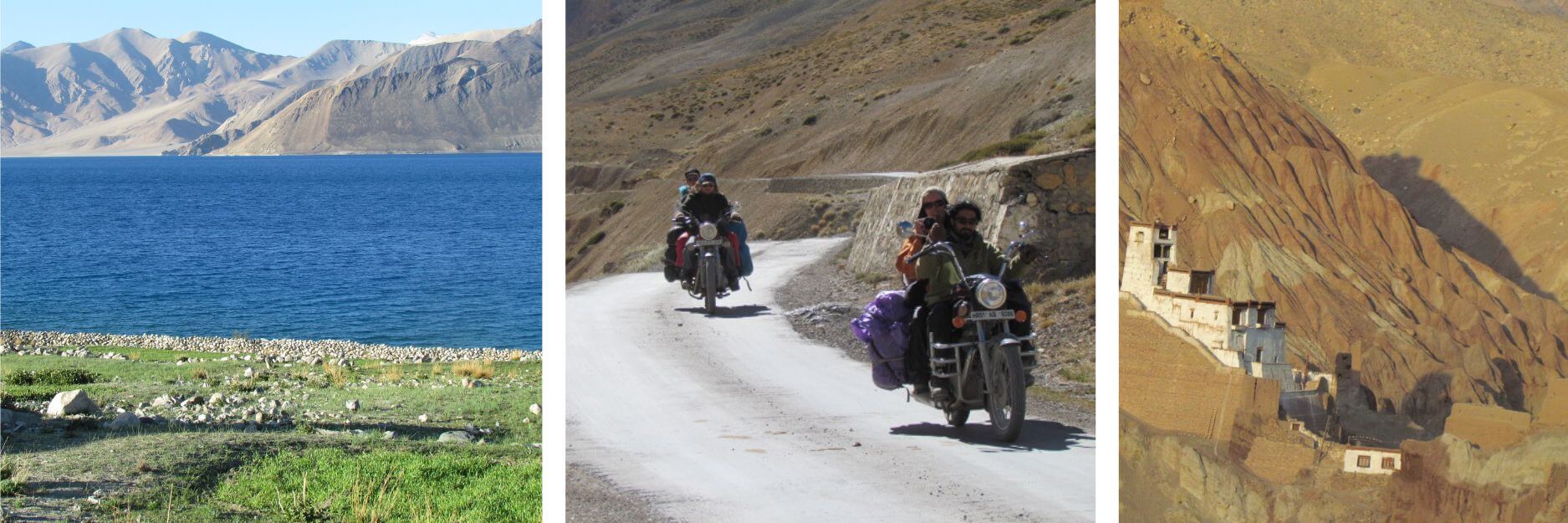
Shaped by the Indus River, Ladakh is a region of rugged peaks, fertile valleys, crystal-clear rivers, and high mountain passes. From remote villages and desert-like valleys to spectacular alpine lakes, every journey reveals a new and unforgettable landscape.
Culture & Heritage
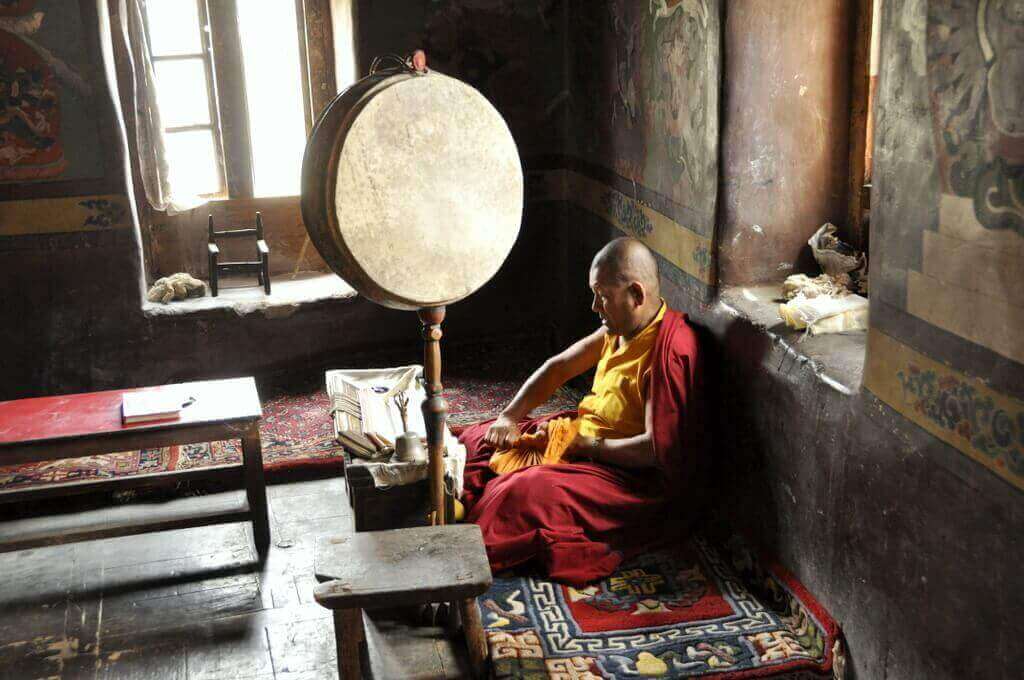
Deeply influenced by Tibetan Buddhism, Ladakh is home to colorful monasteries, prayer flags, and centuries-old traditions. The region’s unique culture reflects a blend of Tibetan and Central Asian influences, preserved in its architecture, festivals, and daily life.
The People of Ladakh
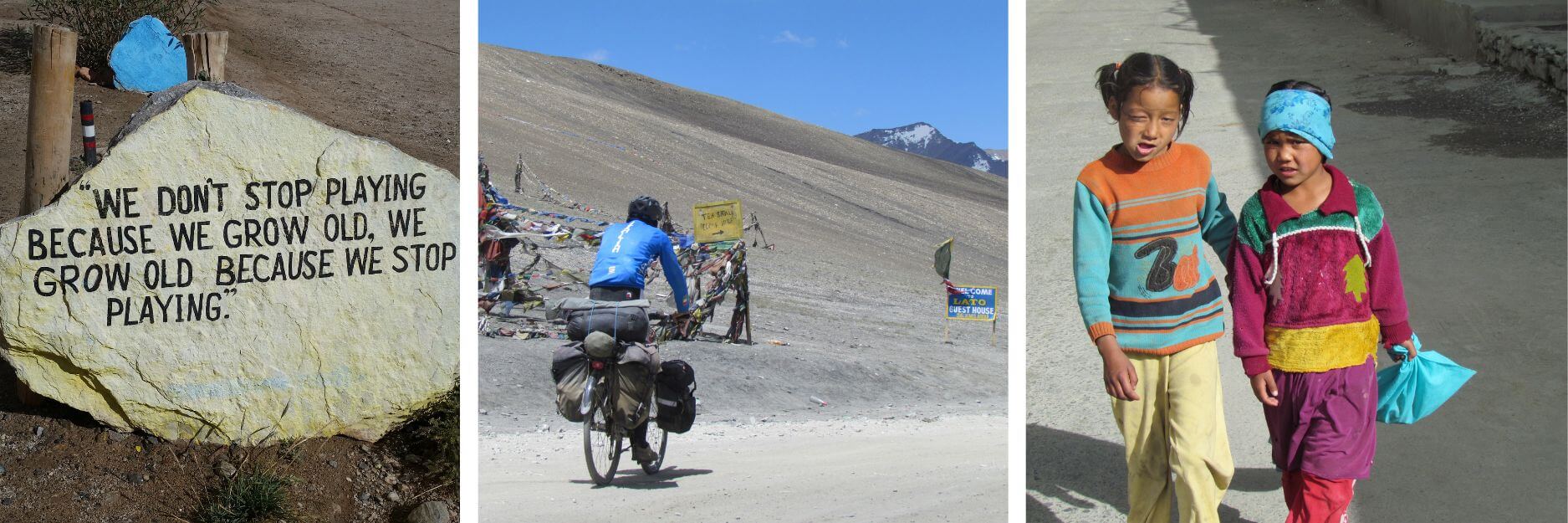
Known for their warmth and hospitality, the people of Ladakh have adapted to life in one of the world’s most challenging environments. During the short summer, villages come alive with farming activities, while winter brings snow, isolation, and a slower pace of life.
Highlights of Ladakh
- Ancient monasteries perched on dramatic cliffs
- Spectacular mountain passes and panoramic viewpoints
- The stunning valleys of Nubra, Sham, and Indus
- Crystal-clear high-altitude lakes
- Traditional villages and authentic Himalayan culture
- Some of the most scenic road journeys in the world
Best Time to Visit
The travel season runs from May to September, when mountain roads are open and the weather is generally clear and pleasant. During this period, Ladakh showcases its vibrant landscapes, cultural life, and breathtaking Himalayan views.
Getting There
The gateway to Ladakh is Leh, located at 3,500 meters above sea level. Visitors can arrive by air from major Indian cities or by road via the spectacular routes from Srinagar and Manali.
A journey to Ladakh is an unforgettable experience, combining extraordinary landscapes, rich culture, and the timeless beauty of the Himalayas.